SPRING
Bluebell woods
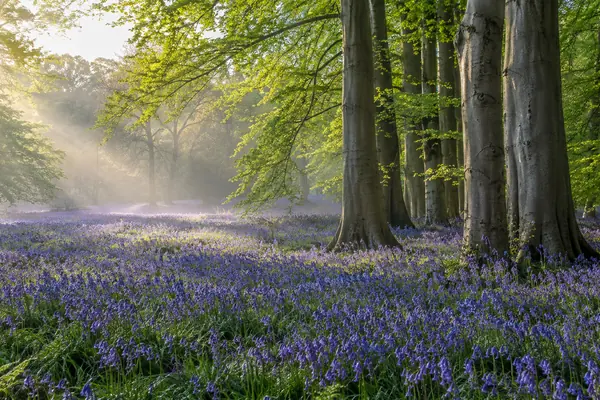
The Woodland Trust gives the bluebell's flowering season as mid-April to late May. A carpet of them is one of the signs a wood may be ancient.
Pick a season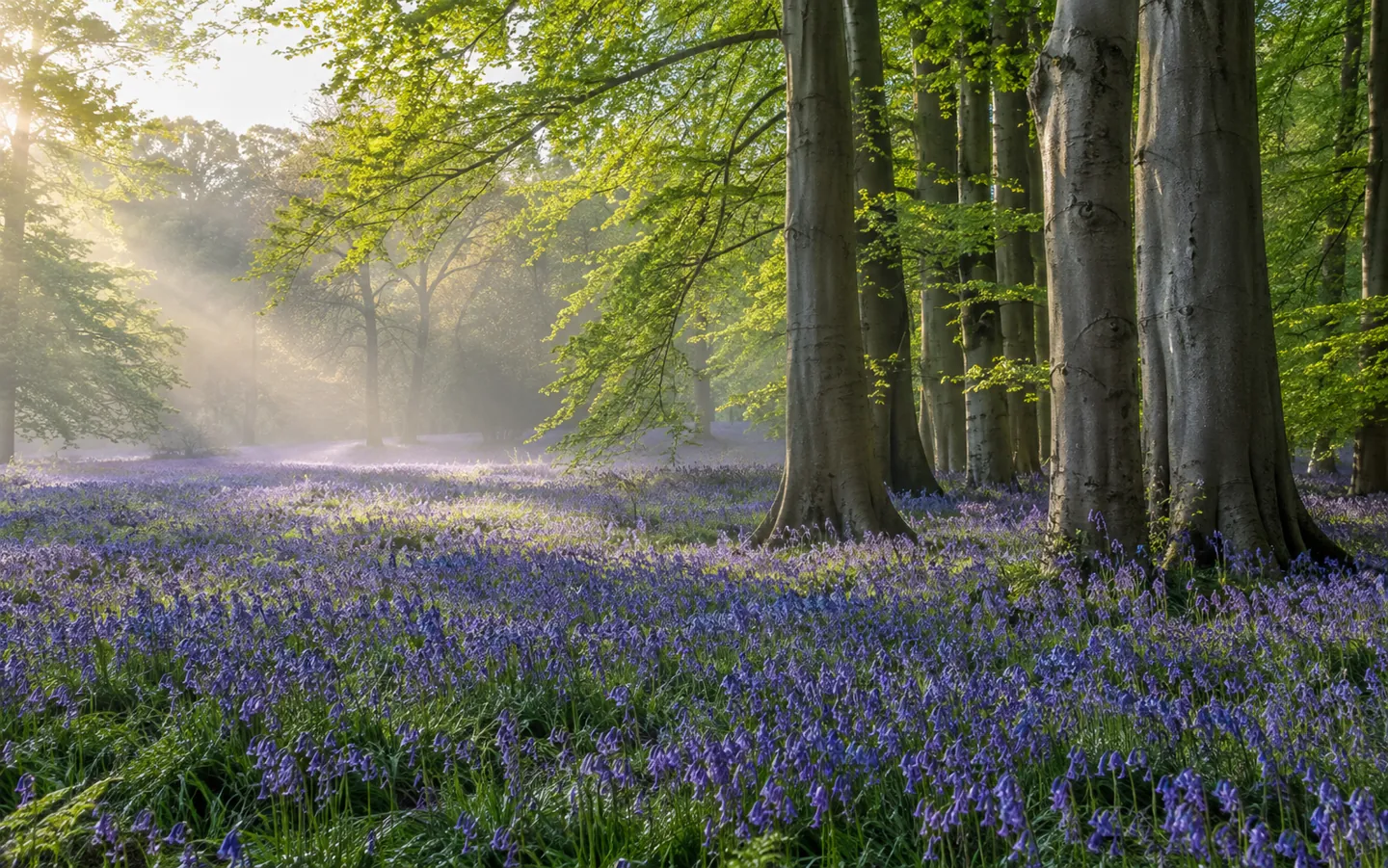
A WILDLIFE CALENDAR
GO when nature does
AI-generated image, not a photograph of a real person or place.
Britain's best wildlife shows run to a timetable.
Bluebells flower for a few weeks in spring, puffins come ashore only to breed, stags roar in autumn and starlings swirl at winter sunsets. Turn up in the wrong month and there is nothing to see. Nature charities publish the windows, and they are worth knowing.
THE SHORT ANSWER
Miss the window and the show is over.
Here are three of the best known.
SPRING
The Woodland Trust gives the bluebell's flowering season as mid-April to late May. A carpet of them is one of the signs a wood may be ancient.
Pick a seasonSUMMER
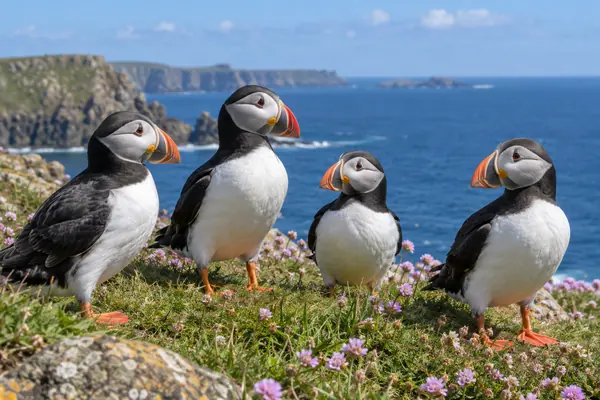
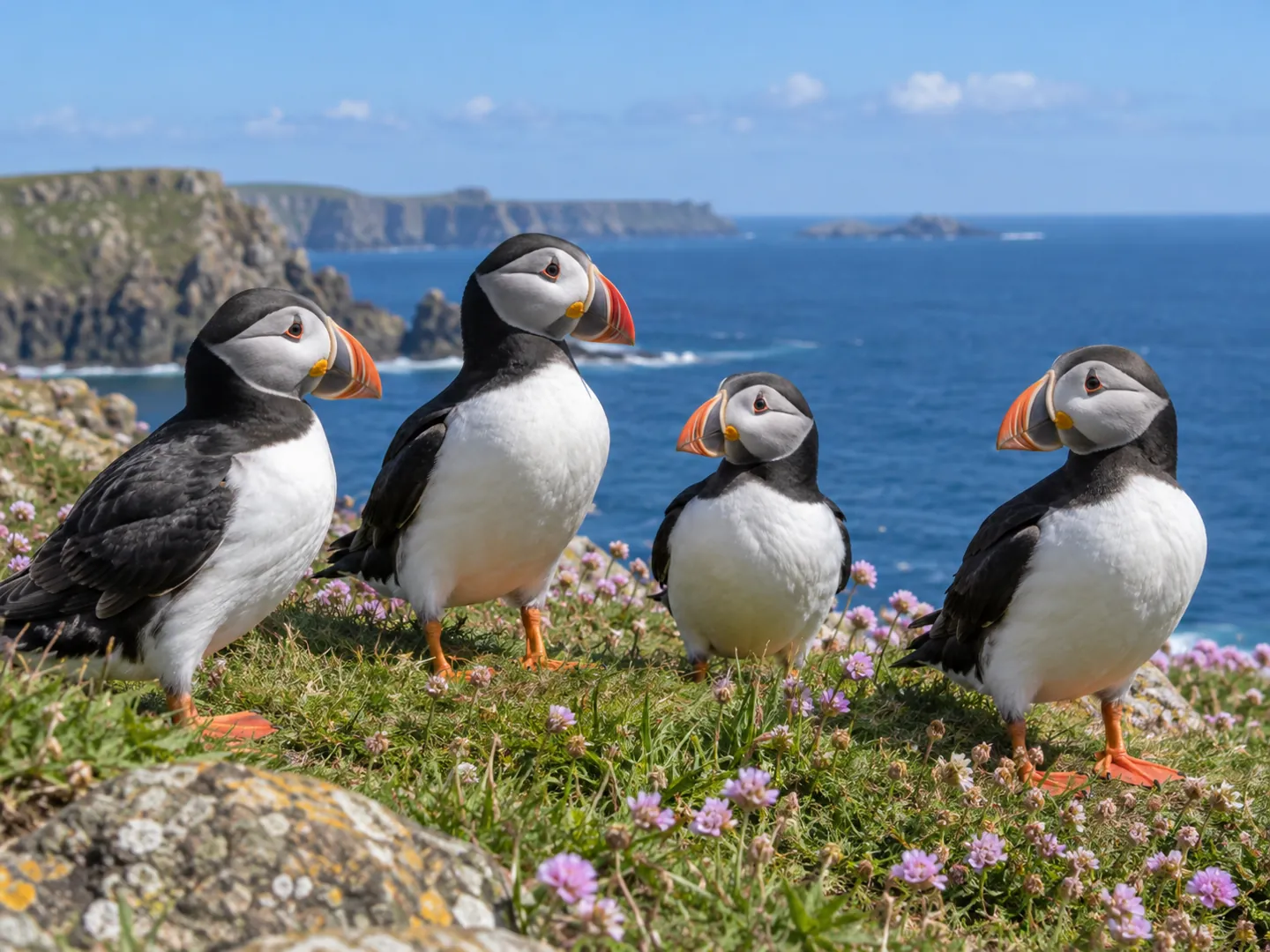
On the Farne Islands, the birds are there May to July only. By the end of July most seabirds, including puffins, head back out to sea.
See the numbersWINTER
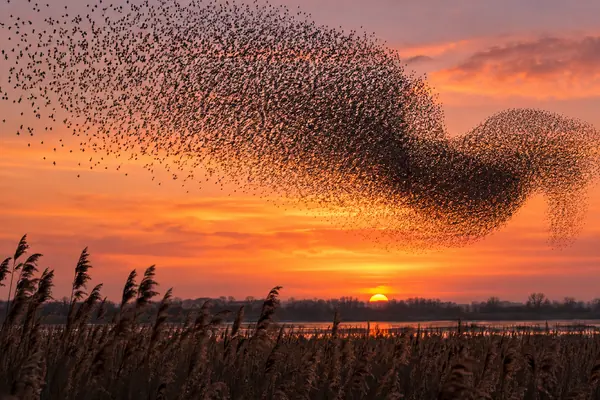
In the colder months, as the sun dips below the horizon, hundreds and sometimes thousands of starlings swirl together over their roost.
Plan a trip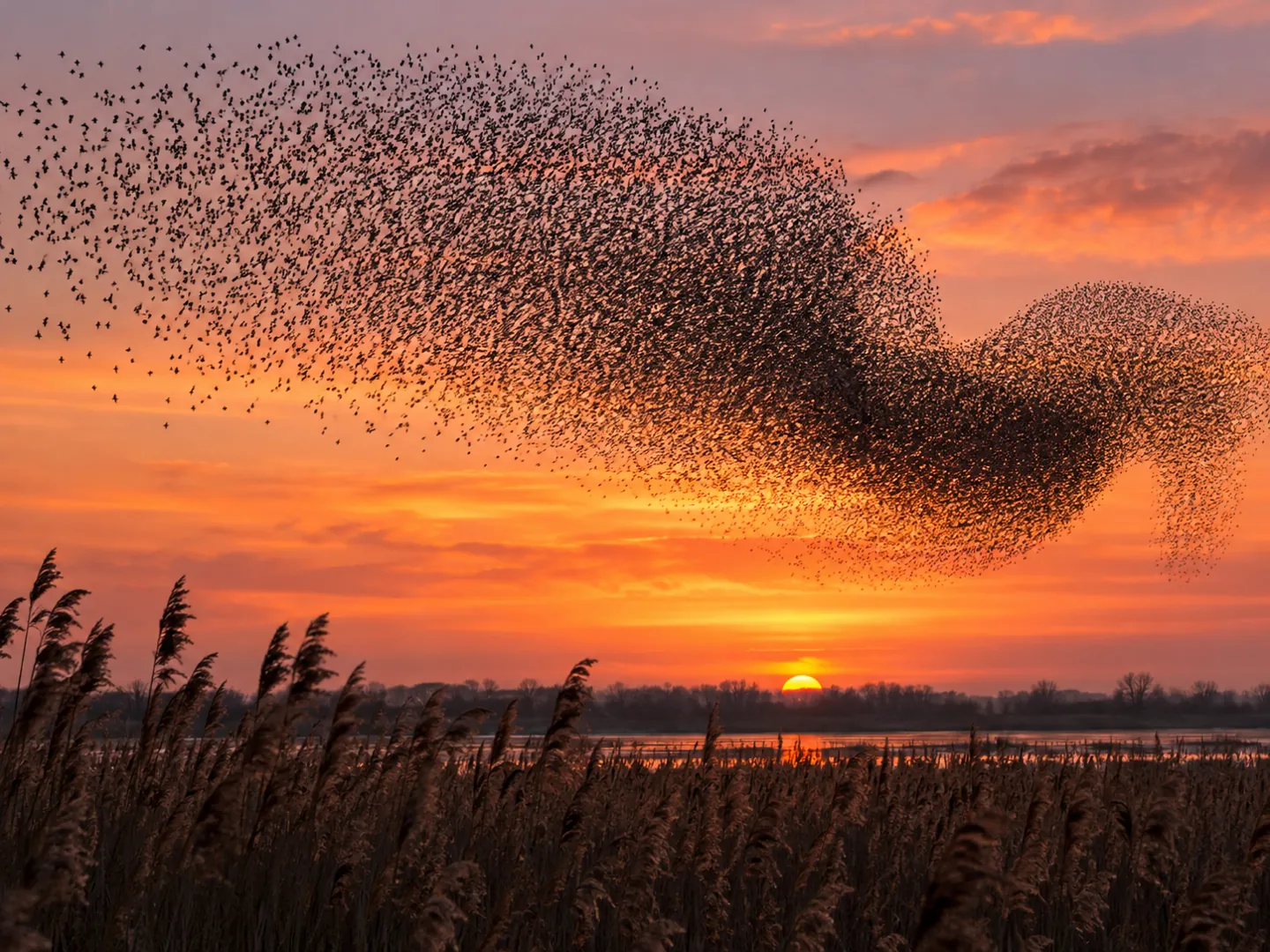
FOUR THINGS TO PLAN
The organisations that look after these places give simple pointers for visitors.
Puffins on the Farne Islands are there May to July only, and numbers drop sharply from late July.
To land on Inner Farne you need a boat from Seahouses, and the National Trust recommends booking in advance.
During the rut, keep well back from deer, keep dogs on a lead and do not crowd stags for photos.
Starlings gather as the sun goes down, so be at a large roost site such as a reedbed or pier before dusk.
TWO NUMBERS WORTH KNOWING
One figure for a summer colony,
one for keeping safe in autumn.
43,000 pairs
Puffin pairs breeding on the Farne Islands
Part of around 200,000 breeding seabirds on this Northumberland reserve in early summer, alongside terns, eiders, guillemots, razorbills and shags.
PUFFINS · NATIONAL TRUST
50 m
Distance to keep from wild deer
A stag weighs around 25 stone before the rut and can charge at up to 30 mph. Injuries almost always happen when people get closer than 50 metres.
THE RUT · ROYAL PARKS
Some of these spectacles are under pressure. The RSPB says starlings declined by 57% between 1995 and 2023, and the 2023 Seabirds Count found 23% of the UK's puffins had been lost in 20 years.
A QUICK SEASON CHECK
Pick a spectacle to see when it happens and what to expect. The bar shows how long the window lasts, from a few weeks to a whole season.
Timings vary a little from year to year and place to place, so check with the site before you travel.
LOOK, DON'T TAKE
The Woodland Trust explains that the bluebell is protected under the Wildlife and Countryside Act 1981, so digging up the plant or its bulb in the countryside is prohibited.
Since 1998 it has also been listed on Schedule 8 of the Act, which makes trading in wild bluebell bulbs and seeds an offence. Enjoy the flowers where they grow and leave them for next spring.
In conversation
The Woodland Trust gives the flowering season as mid-April to late May. Bluebells emerge from bulbs to flower from April onwards.
On the Farne Islands, puffins and other seabirds are present May to July. By the end of July most head back to sea, though a few may linger on the water in early August.
The Royal Parks say the rutting season starts at the end of September and lasts until early November. Keep at least 50 metres away and keep dogs on a lead.
The RSPB suggests large roost sites such as reedbeds, piers and coastal marshes, in winter as the sun goes down.
Out to sea. The RSPB says tracking studies show many UK puffins overwinter far from any coast, some in the Atlantic and others in the North Sea.
Each figure on this page comes from the sources below.
ABOUT THIS NAME
togowhen.com is part of the DoodleSale portfolio. It isn't in an auction right now, but you can ask about leasing it.